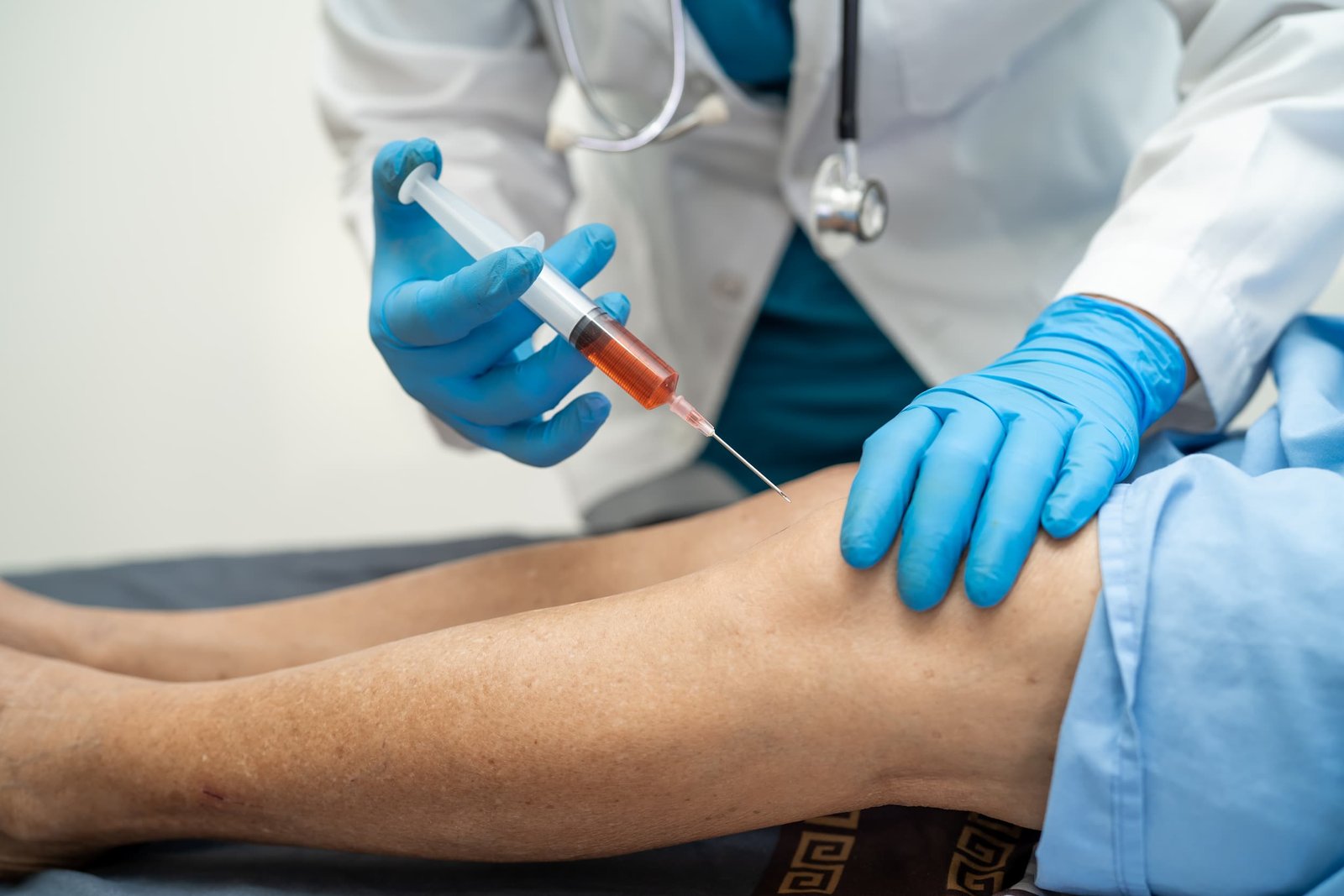
Hydrodistention (or hydrodilatation) is a minimally invasive procedure designed to treat frozen shoulder and other conditions causing joint capsule contracture. It works by injecting sterile fluid into the joint to gently stretch the thickened, contracted capsule.
The procedure uses a mixture of sterile saline, local anesthetic, and often a corticosteroid. As the fluid expands the joint capsule, it breaks down adhesions and scar tissue that restrict movement, while the steroid reduces inflammation.
Performed under real-time ultrasound guidance, the injection is precisely placed into the joint space for maximum effectiveness. Combined with physiotherapy, hydrodistention offers significant relief for patients struggling with painful, stiff shoulders.
Conditions We Treat
Frozen Shoulder
Primary indication - adhesive capsulitis causing severe stiffness
Adhesive Capsulitis
Inflammatory condition causing capsule thickening and contracture
Post-Surgical Stiffness
Joint stiffness following shoulder surgery
Post-Traumatic Stiffness
Reduced mobility after injury or immobilization
Precision Matters
Why Choose Hydrodistention?
Proven relief for frozen shoulder and joint
stiffness
Restores Movement
Gently stretches the joint capsule to improve range of motion
Fast Results
Many patients notice improvement within days
Ultrasound-Guided
Precision placement ensures maximum effectiveness
Non-Surgical
Safe, minimally invasive alternative to surgery
Understanding Frozen Shoulder
Frozen shoulder progresses through three
stages—hydrodistention can help at each
01
Freezing Stage
2-9 months
Symptoms
Gradual onset of pain, increasing stiffness
Hydrodistention Benefit
Can reduce pain and slow progression
02
Frozen Stage
4-12 months
Symptoms
Pain may decrease but severe stiffness persists
Hydrodistention Benefit
Most effective at this stage to restore movement
03
Thawing Stage
12-42 months
Symptoms
Gradual improvement in movement
Hydrodistention Benefit
Can accelerate recovery and full restoration
How It Works
Your journey from assessment to restored mobility
01
Assessment
Clinical evaluation and ultrasound imaging to confirm diagnosis and assess severity
02
Preparation
Local anesthetic numbs the area for a comfortable procedure
03
Injection
Sterile fluid mixture is injected under ultrasound guidance to stretch the capsule
04
Rehabilitation
Immediate physiotherapy exercises to maintain and improve gained mobility
What to Expect
Your recovery timeline after hydrodistention
During
Procedure takes 20-30 minutes. You may feel pressure as fluid is injected.
Immediately After
Shoulder may feel full or tight. Local anesthetic provides initial comfort.
Day 1-3
Some soreness is normal. Begin gentle exercises as instructed.
Week 1-2
Progressive improvement in range of motion with physiotherapy.
Week 4-6
Significant improvement in most patients. May need repeat if severe.
What's Included
Comprehensive care from consultation to recovery
Real-time ultrasound guidance for precision
Expert musculoskeletal specialists
Sterile saline and local anesthetic mixture
Optional steroid for enhanced anti-inflammatory effect
Immediate post-procedure physiotherapy guidance
Follow-up assessment included
Frequently Asked Questions
Everything you need to know about hydrodistention
Hydrodistention (also called hydrodilatation) is a procedure where sterile fluid is injected into a stiff joint capsule under ultrasound guidance. The fluid gently stretches and expands the contracted capsule, breaking down adhesions and scar tissue. This mechanical stretching, combined with the anti-inflammatory effect of any added steroid, reduces pain and restores range of motion. It is primarily used for frozen shoulder but can help other conditions causing joint capsule contracture.
Frozen shoulder (adhesive capsulitis) is a condition where the shoulder joint capsule becomes inflamed, thickened, and contracted, severely limiting movement. It typically progresses through three stages: freezing (increasing pain and stiffness), frozen (less pain but severe stiffness), and thawing (gradual improvement). Risk factors include diabetes, thyroid disorders, previous shoulder injury or surgery, and prolonged immobilization. It affects 2-5% of the population, most commonly women aged 40-60.
Studies show hydrodistention provides significant improvement in 70-80% of patients. Most experience improved range of motion within days to weeks, with continued gains over 6-12 weeks. It is particularly effective in the frozen and early thawing stages. When combined with physiotherapy, outcomes are even better. Some patients with severe or long-standing frozen shoulder may benefit from a repeat procedure.
After cleaning the skin, local anesthetic numbs the injection site. Using ultrasound guidance, the specialist inserts a needle into the shoulder joint capsule. A mixture of sterile saline (20-30ml), local anesthetic, and often a corticosteroid is slowly injected. You may feel pressure or fullness as the capsule stretches. The procedure takes 20-30 minutes. You can go home immediately and should begin gentle exercises the same day.
Local anesthetic is used to numb the area, so most patients experience only pressure or mild discomfort during injection. As the capsule stretches, you may feel tightness or a stretching sensation. Any discomfort during the procedure is temporary. Afterward, the shoulder may feel full or achy for 24-48 hours, manageable with ice and simple painkillers. The local anesthetic in the injection provides initial pain relief.
Many patients notice improved range of motion immediately or within a few days as the stretched capsule allows greater movement. The anti-inflammatory effect of any added steroid develops over 1-2 weeks. Maximum benefit typically occurs at 4-6 weeks when combined with regular physiotherapy exercises. Continuing exercises is crucial—without them, the capsule may tighten again.
Yes, physiotherapy is essential for optimal results. The hydrodistention creates a "window of opportunity" by stretching the capsule, but you need exercises to maintain and build on this improvement. Your specialist will provide immediate post-procedure exercises, and we recommend formal physiotherapy starting within a few days. Consistent home exercises are crucial for long-term success.
Many patients achieve significant improvement with a single hydrodistention procedure. However, those with severe or long-standing frozen shoulder may benefit from a second treatment 6-8 weeks later if response to the first is incomplete. The decision depends on your progress and is made in consultation with your specialist. Most patients do not need more than two procedures.
Hydrodistention is a safe procedure with few risks. Common side effects include temporary soreness, swelling, or bruising at the injection site (resolves in a few days). Rare risks include infection (minimized by sterile technique), allergic reaction to medications, and temporary increase in blood sugar in diabetics if steroid is used. Serious complications are very rare when performed by experienced specialists using ultrasound guidance.
Compared to steroid injections alone, hydrodistention provides better improvement in range of motion because it physically stretches the capsule. Compared to manipulation under anesthesia (MUA), it is less invasive and has fewer risks. Compared to surgery (arthroscopic capsular release), it avoids surgical risks and recovery time. Hydrodistention is often tried before considering more invasive options and works well for most patients.
Hydrodistention may not be suitable if you have: active infection in or around the shoulder, bleeding disorders or anticoagulant therapy, allergy to local anesthetics or steroids, skin conditions at the injection site, or if imaging shows a different cause for your symptoms (e.g., rotator cuff tear requiring surgery). Your specialist will review your history and imaging to ensure hydrodistention is appropriate.
Ready to Restore Your Mobility?
Don't let frozen
shoulder limit your life. Our specialist hydrodistention treatment can help you move freely again.
For specialist treatment and lasting relief,
book your hydrodistention injection today!