✍️ Written by: LSRI Editorial Team
🩺 Medically Reviewed by: Dr Prashant Sankaye, Consultant Musculoskeletal specialist and Radiologist, MBBS, MS, FCPS, MRCS, CCBST, FRCR, PGCE(Med), FHEA, PGDip Sports and Exercise Medicine
📅 Last Updated: March 18, 2026
⏱️ Read Time: 4 Minutes
Platelet-rich plasma therapy is a groundbreaking treatment that harnesses the body’s natural healing mechanisms. Today, PRP Therapy for Musculoskeletal Injuries is gaining massive recognition in sports medicine, orthopaedics, and pain management. It offers a minimally invasive solution for conditions ranging from severe tendon injuries to chronic arthritis.
This blog delves into the science behind PRP Therapy for Musculoskeletal Injuries, exploring how it works, its clinical applications, and why it is revolutionising the way joint and tendon issues are treated.
What Is PRP Therapy?
This procedure involves using a concentrated sample of a patient’s own blood, rich in platelets and growth factors, to promote tissue healing and regeneration. Platelets are a crucial component of blood best known for their role in clotting. However, they also contain bioactive proteins and growth factors essential for repairing damaged tissues.
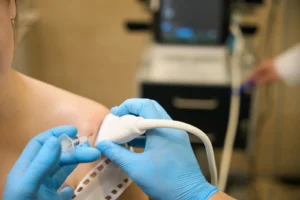
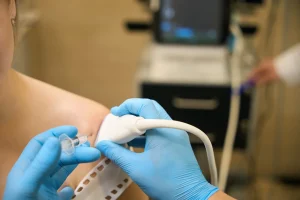
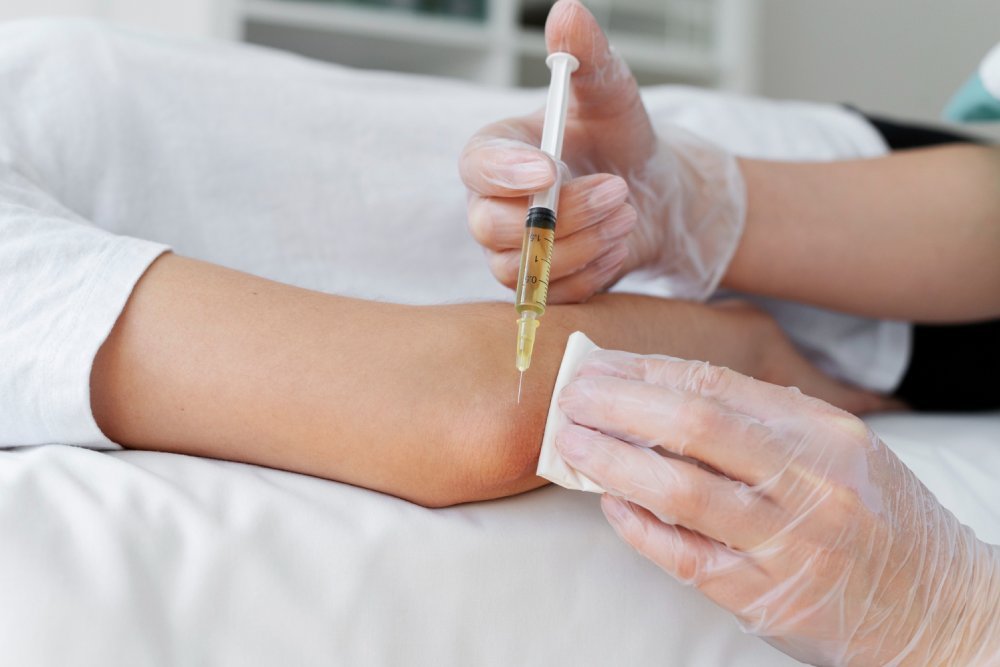
During PRP Therapy for Musculoskeletal Injuries, a small amount of the patient’s blood is drawn. The blood is processed in a centrifuge to separate the platelets and plasma. The resulting platelet-rich plasma is then injected directly into the injury site under ultrasound guidance for absolute precision.
The Science Behind the Treatment
Platelets and Growth Factors
When tissue damage occurs, platelets are among the first responders, releasing growth factors that initiate repair. By concentrating platelets, PRP Therapy for Musculoskeletal Injuries delivers these growth factors in much higher quantities directly to the site of injury, dramatically accelerating the natural healing process.
Inflammation and Cellular Regeneration
Inflammation is a double-edged sword. While acute inflammation is necessary for healing, chronic inflammation hinders recovery. PRP Therapy for Musculoskeletal Injuries modulates the inflammatory response and stimulates cellular activity, including fibroblasts (which produce collagen) and chondrocytes (which maintain cartilage).
Applications of PRP Therapy for Musculoskeletal Injuries
This orthobiologic treatment is widely used to treat a variety of complex conditions:
Tendon and Ligament Injuries
Tendons heal slowly due to very limited blood flow. PRP Therapy for Musculoskeletal Injuries enhances repair in conditions such as Tennis Elbow, Achilles Tendinopathy, and partial tears of the knee’s anterior cruciate ligament (ACL).
Osteoarthritis and Joint Healing
PRP injections alleviate pain and improve function in osteoarthritis by stimulating cartilage repair and reducing joint inflammation. (Note: NICE guidance on PRP for knee osteoarthritis highlights its growing use in clinical settings for pain management.
How It Compares to Traditional Treatments
-
Non-Surgical Approach: Unlike invasive surgery, PRP Therapy for Musculoskeletal Injuries involves only injections. This drastically reduces surgical risks, recovery time, and overall costs.
-
Personalised Treatment: Because it uses the patient’s own blood, it is a highly biocompatible and personalised biological solution.
-
Long-Term Benefits: While standard painkillers and cortisone injections provide temporary, short-term relief, this therapy addresses the underlying biological cause of the damage to promote long-term healing.
Evidence Supporting the Procedure
Numerous clinical studies highlight the effectiveness of PRP Therapy for Musculoskeletal Injuries:
-
Tendon Injuries: Research shows significant pain reduction and functional improvement in patients with chronic tendinopathies.
-
Osteoarthritis: Studies report improved joint function and reduced pain, particularly in mild to moderate knee osteoarthritis.
-
Sports Injuries: Professional athletes treated with this method often experience faster recovery timelines and a quicker return to play.
While individual results vary depending on the patient and the specific condition, the growing body of evidence, including research supported by the British Orthopaedic Association, underscores its immense potential as a game-changer in modern musculoskeletal medicine.
Challenges and Considerations
While highly effective, patients should be aware of a few considerations. The effectiveness of PRP Therapy for Musculoskeletal Injuries can vary based on factors like age, overall health, and the severity of the condition. Furthermore, some patients require more than one injection session to achieve optimal results, which can extend the overall treatment timeline.
Conclusion
PRP Therapy for Musculoskeletal Injuries represents a massive advancement in joint and tendon care, combining the latest scientific understanding with the body’s innate healing abilities. By delivering highly concentrated growth factors directly to damaged tissues, it promotes natural repair, reduces pain, and enhances overall recovery outcomes.
For individuals struggling with chronic joint pain or slow-healing sports injuries, it offers a genuine path toward improved function and a better quality of life. As orthobiologic research and medical technology evolve, its role in medicine will only continue to grow, making it an essential option for patients seeking alternatives to surgery.

About the Author: Dr Prashant Sankaye, Consultant Musculoskeletal specialist and Radiologist, MBBS, MS, FCPS, MRCS, CCBST, FRCR, PGCE(Med), FHEA, PGDip Sports and Exercise Medicine
Dr Prashant Sankaye is a highly respected Consultant MSK Radiologist and the Clinical Director of London Sports & Rheumatology Imaging (LSRI). With over a decade of sub-specialty experience, he is a recognized expert in advanced diagnostic imaging (Ultrasound & 3T MRI) and precision ultrasound-guided therapeutic injections. His authoritative approach ensures patients avoid surgery where possible and receive the highest standard of orthopaedic, rheumatological, and sports medicine care.