
✍️ Written by: LSRI Editorial Team
🩺 Medically Reviewed by: Dr Prashant Sankaye, Consultant Musculoskeletal specialist and Radiologist, MBBS, MS, FCPS, MRCS, CCBST, FRCR, PGCE(Med), FHEA, PGDip Sports and Exercise Medicine
📅 Last Updated: April 6, 2026
⏱️ Read Time: 12 Minutes
LSRI Clinical Position on Stem Cell Therapy
"LSRI is a clinical imaging and sports medicine institute. We do NOT offer unproven stem cell therapies. We are an evidence-based, clinically governed institute. Any reference to regenerative medicine must be framed within proven, regulated, evidence-based treatments only. This guide is an educational public safety resource — not a commercial treatment promotion."
Dr Prashant Sankaye, Consultant Radiologist & Clinical Lead, LSRI London
Stem Cell Therapy Truth:
Every week, patients with chronic pain, neurological conditions, spinal injuries, and degenerative diseases contact clinics around the world — in London, Mexico, Germany, Panama, Thailand, and online — having been told that stem cell therapy will change their life. Many of them have already spent tens of thousands of pounds. Some have been physically harmed. A number have died.. Stem Cell Therapy Truth. Exploring the Stem Cell Therapy Truth.
Stem Cell Therapy Truth: Guide Contents
This is not a fringe issue. This is one of the most urgent patient safety crises in global medicine today.
As a Consultant at the London Sports and Rheumatology Imaging (LSRI), Dr Prashant Sankaye encounters patients who have either received unproven stem cell treatments or are considering them, often out of desperation after conventional medicine has not resolved their condition. This guide exists to provide the honest, evidence-based information that every patient deserves — before making a decision that could cost them financially, physically, and in some cases, fatally.
This is not an anti-science article. Stem cell research is one of the most exciting frontiers in medicine. But there is a vast and dangerous gap between what scientists are researching in controlled clinical trials and what commercial clinics are selling to vulnerable patients. That gap is what this guide is about.
What Are Stem Cells? The Stem Cell Therapy Truth
Stem cells are the body’s raw material — the foundational cells from which all specialised cells develop. Under the right conditions, stem cells divide to form daughter cells that become bone cells, brain cells, heart muscle cells, blood cells, or many other specialised cell types.
There are several types of stem cells relevant to medical treatment:
- Embryonic stem cells — derived from embryos; can become any cell type in the body (pluripotent). Ethically controversial and heavily regulated.
- Adult stem cells (somatic stem cells) — found in tissues throughout the body, including bone marrow and fat. More limited in what cell types they can become.
- Induced pluripotent stem cells (iPSCs) — adult cells reprogrammed to behave like embryonic stem cells. Discovered by Dr Shinya Yamanaka (Nobel Prize 2012). Enormous research potential.
- Haematopoietic stem cells (HSCs) — found in bone marrow; give rise to all blood cells. The basis of bone marrow transplantation and the Stem Cell Therapy Truth.
- Mesenchymal stem cells (MSCs) — found in fat, bone marrow, and connective tissue. Frequently used — and misused — in commercial stem cell clinics.
“Understanding the type of stem cell being offered is the very first question patients should ask — and most commercial clinics cannot answer it with clinical precision. When a clinic cannot tell you the source, the preparation method, the viability, and the evidence base for what they are injecting, that is a serious warning sign.”
— Dr Prashant Sankaye, Consultant, LSRI London
Stem Cell Therapy Truth: Proven Clinical Stem Cell Treatments
This is critically important. There ARE proven, safe, and clinically validated stem cell therapies. The problem is that they are vastly outnumbered by unproven commercial treatments.
| Treatment | Stem Cell Type | Condition | Regulatory Status |
|---|---|---|---|
| Bone marrow transplantation | Haematopoietic (HSC) | Leukaemia, lymphoma, myeloma | ✅ Standard of care globally |
| Cord blood transplantation | Haematopoietic (HSC) | Blood cancers, aplastic anaemia | ✅ Approved and regulated |
| Limbal stem cell transplant | Epithelial stem cells | Corneal blindness | ✅ Approved in UK/EU |
| Skin grafts for burns | Epidermal stem cells | Severe burns | ✅ Established clinical practice |
| CAR-T cell therapy | Modified T-cells | Some blood cancers | ✅ MHRA/FDA approved |
| Clinical trials (selected) | Various (strictly controlled) | MS, Parkinson’s, spinal cord injury | ⚠️ Research only — not commercially available |
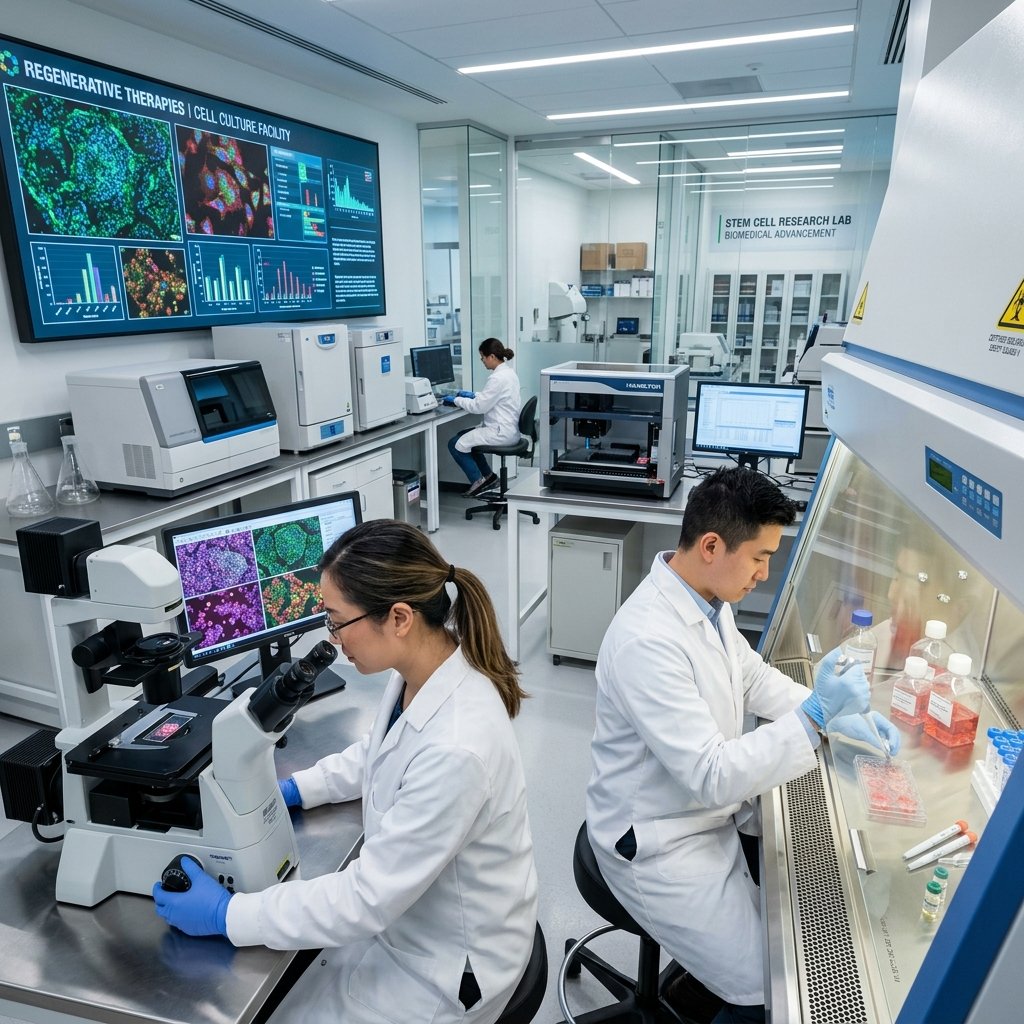
Every other stem cell treatment being sold commercially today — for arthritis, back pain, autism, anti-ageing, neurological conditions, and dozens of other conditions — lacks the clinical trial evidence required for regulatory approval in the UK, EU, or US.
This does not mean the research is not happening. It means it has not yet been proven to be safe and effective in the rigorous, systematic way that responsible medicine requires.
The Stem Cell Therapy Truth: Global Industry Crisis
In 2021, the International Society for Stem Cell Research (ISSCR 2021 Guidelines) — the world’s leading professional body for stem cell scientists — updated its guidelines with an explicit warning:
“Patients should be extremely cautious about stem cell interventions that are not part of a properly conducted clinical trial or a proven therapy approved by a national regulatory authority.”
Despite this, the commercial stem cell industry has grown explosively. A 2019 study published in Cell Stem Cell identified over 600 US businesses offering unproven stem cell interventions. In the UK, the number is lower but growing. In Europe, offshore clinics in Germany, Austria, and Eastern Europe routinely market to British patients. Mexico, Panama, the Cayman Islands, and parts of Asia are favoured destinations for what is now commonly called “stem cell tourism.”
Global spending on unproven stem cell treatments is estimated to exceed $3 billion USD annually and rising.
Stem Cell Therapy Truth: What Clinics Claim to Treat
Commercial clinics market stem cell therapies for conditions including:
- Osteoarthritis and joint pain
- Chronic back and neck pain / degenerative disc disease
- Multiple Sclerosis (MS)
- Parkinson’s disease
- Motor Neurone Disease (MND/ALS)
- Autism Spectrum Disorder
- Cerebral Palsy
- Anti-ageing and cosmetic applications
- Erectile dysfunction
- Diabetes
- Heart failure
- Macular degeneration
- Sports injuries
For the vast majority of these conditions, there is no peer-reviewed evidence from Phase 3 randomised controlled trials — the gold standard of clinical proof — to support the use of commercially available stem cell treatments.
“I have seen patients with degenerative spinal conditions spend £20,000–£40,000 on stem cell injections abroad, only to return with no benefit and sometimes with new complications. The tragedy is that they were given hope that had no evidence base. These patients deserved better. They deserved honesty.”
— Dr Prashant Sankaye, Consultant, London Sports and Rheumatology Imaging (LSRI)
Stem Cell Therapy Truth: Seven Patient Red Flags
Patient Warning: Watch for these Red Flags
Red Flag 1: Testimonials Without Published Clinical Data
Patient testimonials are not clinical evidence. Individual outcomes reflect the placebo effect, natural disease fluctuation, and confirmation bias. Without controlled comparison groups, testimonials prove nothing about a treatment’s efficacy. Understanding the Stem Cell Therapy Truth.
Red Flag 2: One Treatment for Multiple Unrelated Conditions
No single cellular therapy could plausibly treat arthritis, autism, MS, anti-ageing, and neurological conditions simultaneously. Scientific implausibility is itself a red flag.. Stem Cell Therapy Truth.
Red Flag 3: High Cost With No Regulatory Approval
Treatments costing £5,000–£50,000 with no MHRA, FDA, or EMA approval are by definition experimental. Charging patients for experimental treatment outside a formal clinical trial is ethically — and in many jurisdictions, legally — problematic. The clinical Stem Cell Therapy Truth.
Red Flag 4: Operating in Regulatory Grey Zones
Many clinics deliberately locate in countries with less stringent stem cell regulations. Some operate in free-trade medical zones specifically designed to circumvent national drug laws.
Red Flag 5: Unable to Explain the Science Clearly
Ask: What is the exact source of the stem cells? How are they processed? What is the viability and cell count? What peer-reviewed publications support this specific protocol for my condition? If they cannot answer clearly — leave.. Stem Cell Therapy Truth. Revealing the Stem Cell Therapy Truth.
Red Flag 6: Pressure Selling and Limited-Time Offers
Medicine does not have a sale price. Creating urgency around a medical decision is a commercial tactic, not a clinical one.
Red Flag 7: No Structured Follow-Up or Adverse Event Monitoring
Legitimate medical treatment includes follow-up to assess outcomes and record complications. Clinics that take payment and disappear are not practising medicine. Patient safety and the Stem Cell Therapy Truth.
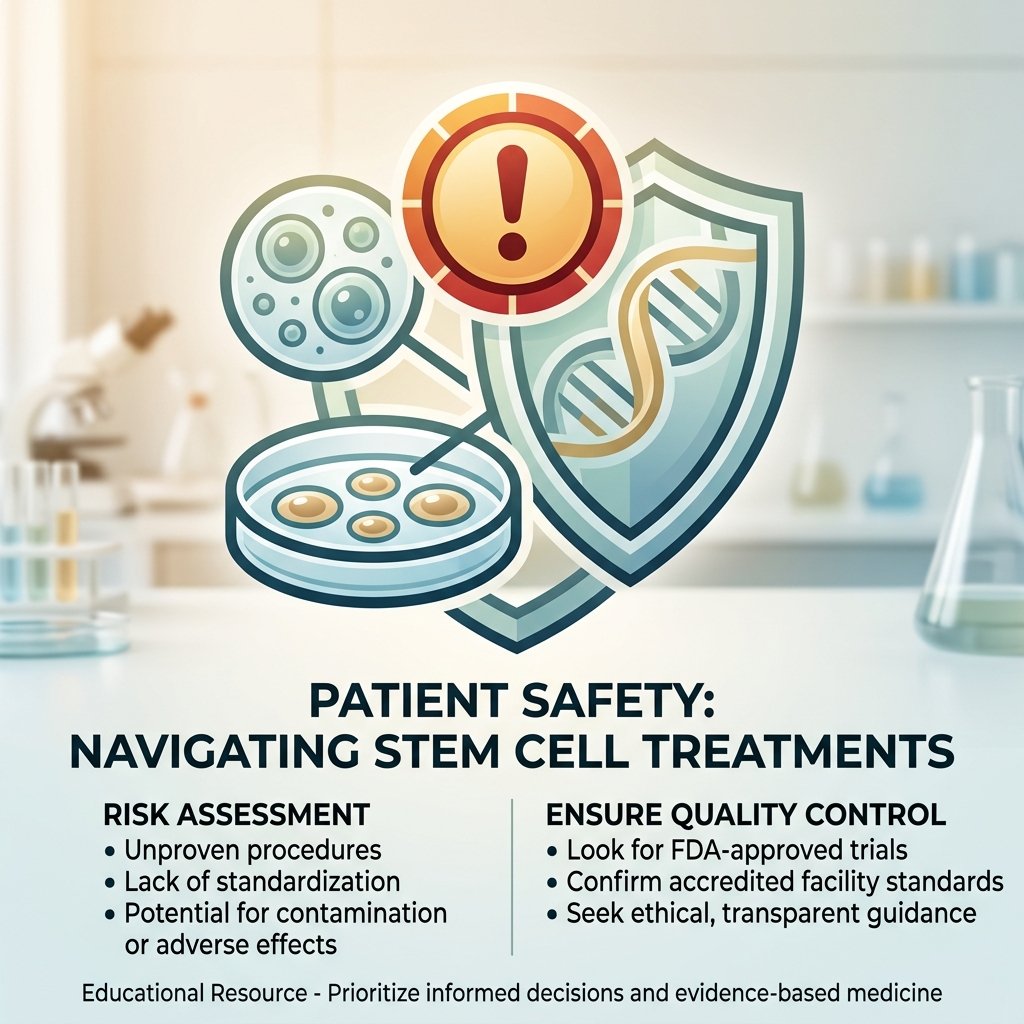
Stem Cell Therapy Truth: Evidence of Patient Harm
- 2018 (USA): The FDA stem cell enforcement and CDC reported 12 patients who developed serious bacterial infections (Mycobacterium abscessus) following unregulated stem cell injections at a Florida clinic.
- 2021 (JAMA): Documented cases of patients developing spinal tumours (teratomas) after intrathecal stem cell injections at overseas clinics.
- The Lancet Neurology: Multiple MS patients treated at unregulated overseas clinics experienced disease acceleration following unproven cellular interventions.
- Australia (TGA): Multiple prosecutions of clinics following patient deaths linked to fat-derived stem cell injections. [TGA Website]
- EMA: Repeated public warnings issued about unproven stem cell treatments noting post-treatment complications including infection, immune reactions, tumour growth, and death. [EMA on ATMPs]
“These are not rare theoretical risks. These are documented, reported cases of real patients who were harmed. When a patient comes to me for imaging after receiving an unregulated stem cell treatment, what I sometimes see on MRI is profoundly concerning — and entirely preventable.”
— Dr Prashant Sankaye, Consultant, LSRI London
Stem Cell Therapy Truth: The Global Regulatory Landscape
Stem Cell Therapy Truth in the United Kingdom
The MHRA Advanced Therapies regulates stem cell products as Advanced Therapy Medicinal Products (ATMPs). Any stem cell product manufactured as a medicine in the UK requires MHRA marketing authorisation. The Human Tissue Authority (HTA) regulates storage and use of human tissue. The NHS does not fund unproven commercial stem cell therapies. However, the MHRA’s “Hospital Exemption” clause has been criticised for creating a loophole allowing some unproven treatments to be administered in clinical settings without full authorisation.
Stem Cell Therapy Truth in the European Union
The EMA governs ATMPs under EU Regulation 1394/2007. Enforcement across EU member states remains inconsistent. Some Eastern European and Baltic states have been identified as regulatory weak points.
Stem Cell Therapy Truth in the United States
The FDA requires Investigational New Drug (IND) applications before clinical trials can proceed. Between 2019–2024, the FDA significantly strengthened enforcement against unproven stem cell clinics. Despite this, hundreds of commercial clinics continue to operate under claimed exemptions.
Global Picture
Countries including Mexico, Panama, Thailand, South Korea, Germany, and China have varying levels of regulation and are frequent stem cell tourism destinations. The WHO has called for greater international coordination. The ISSCR publishes globally respected guidelines updated in 2021.
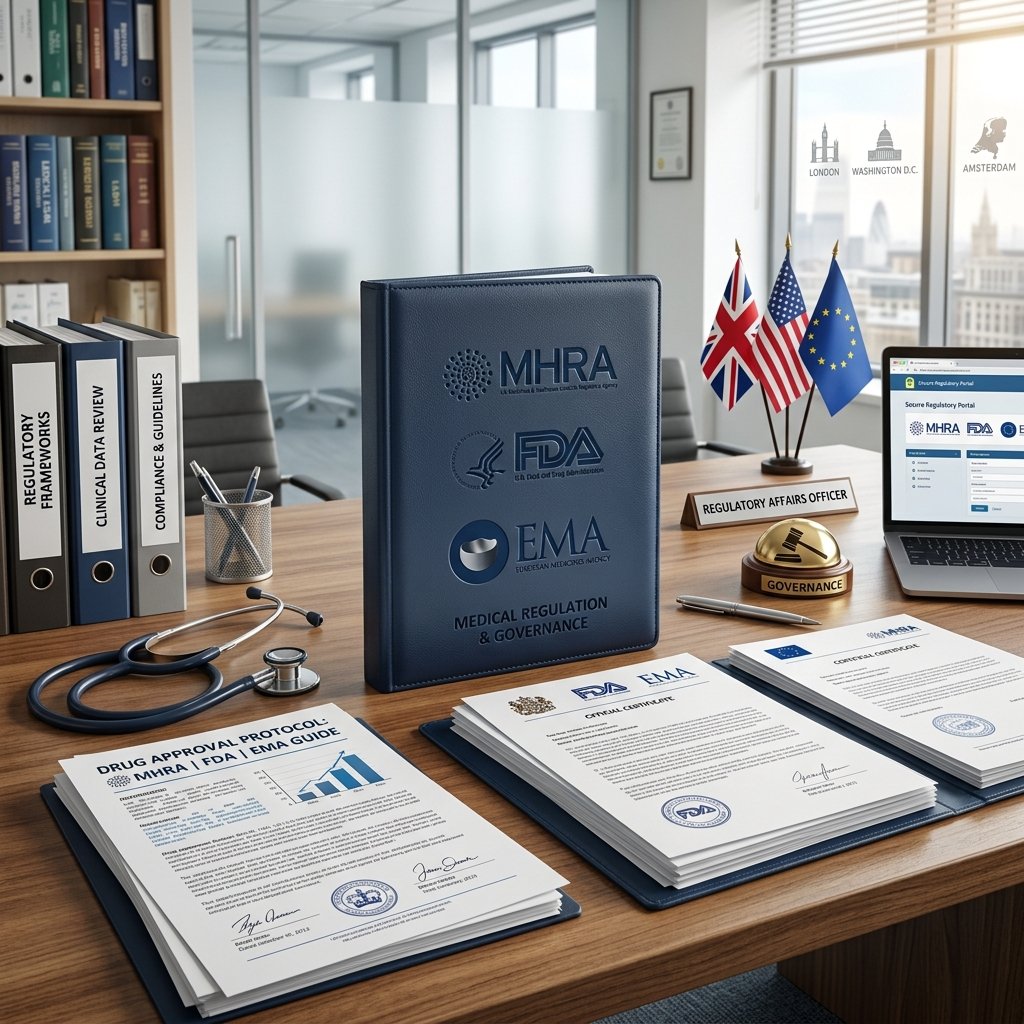
“The regulatory system is trying. But it is fighting a multi-billion-dollar industry that operates faster than regulators can respond, across borders that national agencies cannot cross. That is precisely why patient education — not just regulation — is essential. An informed patient is their own best protection.”
— Dr Prashant Sankaye, London Sports and Rheumatology Imaging (LSRI)
What Legitimate Stem Cell Research Looks Like
A legitimate clinical trial will:
- Be registered on ClinicalTrials.gov, the ISRCTN registry, or the EU Clinical Trials Register
- Have received ethics committee approval
- Have a clearly defined patient population, treatment protocol, and endpoint
- Include fully informed consent, with patients aware they are in a research study
- Provide treatment at no cost to patients
- Have robust follow-up and adverse event reporting
- Publish results — positive or negative — in peer-reviewed journals
If someone is asking you to pay thousands of pounds to participate in what they call a “clinical trial” — that is not a legitimate clinical trial.
Genuine active trials advancing stem cell science include:
- MIST Trial (UK) — NHS-funded research into mesenchymal stem cells for treatment-resistant MS
- NEJM 2023 findings — haematopoietic stem cell transplantation in early relapsing MS
- Phase 1/2 trials at UCL, King’s College London, and Edinburgh for spinal cord injury
- iPS-derived cell therapies in early trials for macular degeneration (Japan) and Parkinson’s (USA)
Stem Cell Therapy for Spinal Conditions — A Specific Warning
| Condition | Clinical Trial Evidence | Regulatory Approval | LSRI Recommendation |
|---|---|---|---|
| Degenerative disc disease | Early phase trials only — no Phase 3 RCT | ❌ None | Do not pursue commercially |
| Chronic low back pain | Limited Phase 1/2 data only | ❌ None | Discuss evidence-based options with LSRI |
| Spinal cord injury | Active Phase 1/2 research | ❌ None outside registered trials | Enrol in registered trial if eligible |
| Facet joint arthritis | No robust RCT evidence | ❌ None | Discuss with your radiologist |
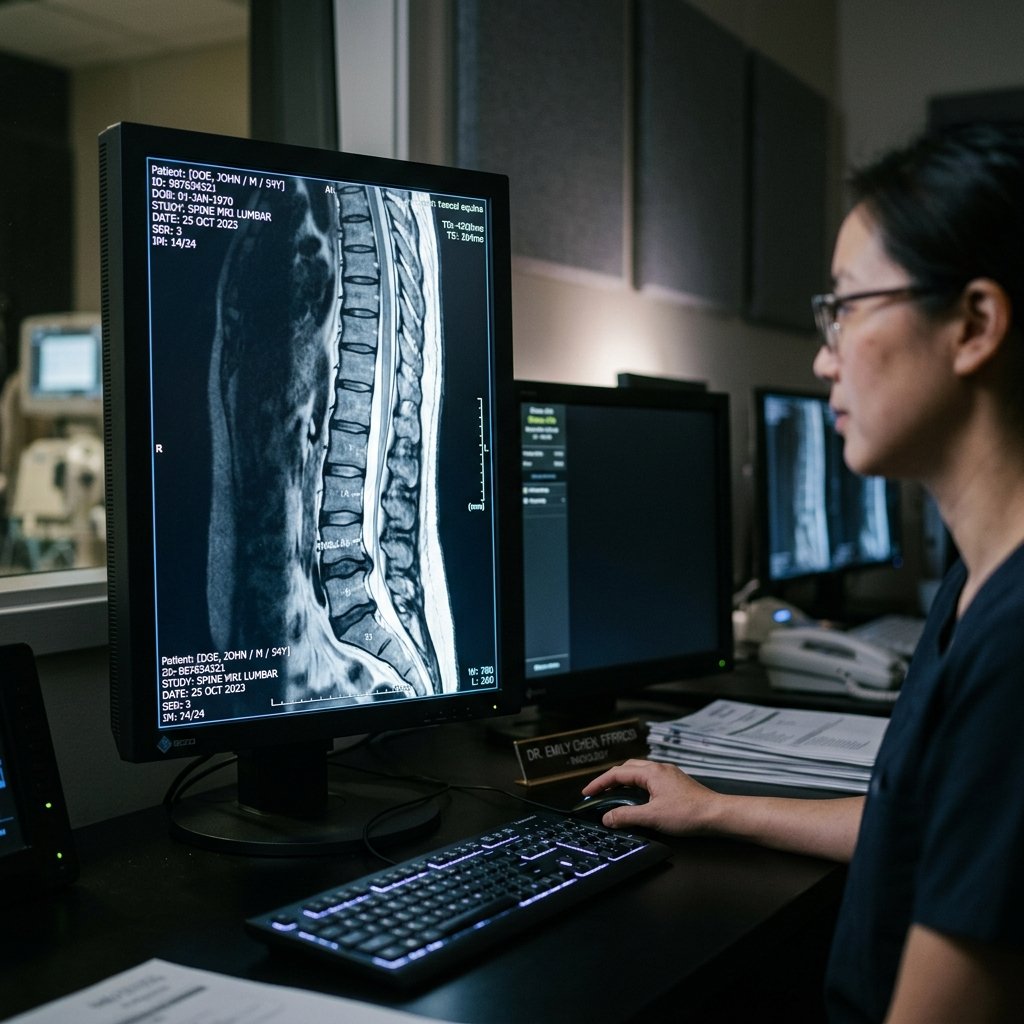
At LSRI — the London Sports and Rheumatology Imaging (LSRI) and London Sports and Regenerative Institute — Dr Prashant Sankaye and the clinical team will always discuss the full range of evidence-based treatment options with patients, including physiotherapy, guided injections, radiofrequency ablation, and surgical pathways where appropriate.
“Patients with back pain or degenerative spinal conditions are among the most aggressively targeted by stem cell clinic marketing. They have often tried everything else. Desperation is understandable — but it also makes patients targets. My responsibility is to give them honest information, not false hope.”
— Dr Prashant Sankaye, Consultant, LSRI London
Ten Questions Every Patient Must Ask
Before agreeing to any stem cell treatment, ask the following. Walk away if answers are evasive or incomplete.
- Is this treatment approved by the MHRA, FDA, or EMA?
- If not approved, is it part of a registered, ethics-approved clinical trial? What is the registry number?
- What is the exact source of the stem cells? Autologous or allogeneic?
- How are the cells processed, stored, and tested for viability and sterility?
- What published, peer-reviewed evidence supports this for my specific condition?
- What are the potential risks and documented adverse events?
- What monitoring will take place after treatment?
- Who do I contact if something goes wrong?
- Is your clinic registered with the CQC?
- Can I discuss this with my own NHS consultant before deciding?
Where to Get Help and Report Concerns
- MHRA (UK) — Report unregulated products: mhra.gov.uk
- ISSCR Patient Handbook: isscr.org/patients
- NHS Stem Cell Transplant Information
- ClinicalTrials.gov — Find legitimate trials
- EU Clinical Trials Register
- EMA Website
- NICE Guidelines
- CQC — Check UK clinic registration
Book a Consultation at LSRI London
If you have concerns about stem cell therapy, need expert imaging of a spinal or musculoskeletal condition, or want a clinical second opinion, LSRI is here.. Stem Cell Therapy Truth.
Medical evidence for Stem Cell Therapy Truth.