✍️ Written by: LSRI Editorial Team
🩺 Medically Reviewed by: Dr Prashant Sankaye, Consultant Musculoskeletal specialist and Radiologist, MBBS, MS, FCPS, MRCS, CCBST, FRCR, PGCE(Med), FHEA, PGDip Sports and Exercise Medicine
📅 Last Updated: May 4, 2026
⏱️ Read Time: 6 Minutes
Managing rheumatoid arthritis flare-ups effectively requires both a proactive lifestyle strategy and access to precision imaging tools that go far beyond blood tests. Here, Dr Prashant Sankaye shares six evidence-based clinical tips used at LSRI to help patients reduce flare frequency and severity.
Rheumatoid Arthritis (RA) is an autoimmune condition that requires proactive management to prevent long-term joint damage. Unlike osteoarthritis, RA involves systemic inflammation that can attack multiple joints simultaneously. Here are 6 tips from a clinical perspective on managing symptoms effectively.
1. Monitor Synovial Inflammation via Imaging
Regular ultrasound monitoring is essential for RA patients. It allows us to see sub-clinical inflammation (synovitis) that might not be visible on the surface but is still causing damage to the cartilage.
2. Balance Activity and Rest
While movement is vital, during a flare-up, joint protection is paramount. Exercises should be low-impact to maintain range of motion without exacerbating inflammation.
3. Optimize Medication Timing
Working closely with your rheumatologist to ensure your DMARDs or biologics are working effectively is critical. Imaging helps confirm if the medication is successfully suppressing the disease activity.
4. Targeted Injections for Joint “Hotspots”
If one joint is particularly stubborn during a flare, a precise ultrasound-guided steroid injection can provide localized relief and allow you to continue your rehabilitation.
At LSRI, we specialize in the diagnostic monitoring and interventional support required for complex RA cases. Early intervention is the key to preserving joint longevity.
Expert Clinical Opinion: Dr Prashant Sankaye
“I often see RA patients who are frustrated by invisible pain. High-resolution ultrasound makes that inflammation visible, allowing for objective treatment adjustments.”
Understanding What Drives Rheumatoid Arthritis Flares
Rheumatoid arthritis is not a static condition. Synovial inflammation waxes and wanes, and understanding what triggers your personal flare pattern is clinically valuable. Common triggers include physical overexertion, psychological stress, dietary imbalance, infection, and changes in medication. At LSRI, we use high-resolution power Doppler ultrasound to directly visualise synovial blood flow — an objective marker of inflammatory activity that correlates far more reliably with disease burden than subjective pain scores alone.
Monitoring RA With Precision Imaging
One of the most underused tools in RA management is serial musculoskeletal ultrasound. Unlike blood markers (CRP, ESR), which lag behind joint changes by weeks, ultrasound can detect active synovitis, joint effusion, and early erosions in real time. This enables your rheumatologist to adjust disease-modifying anti-rheumatic drugs (DMARDs) or biologic agents based on what is actually happening inside the joint — not simply how you feel on a given day.
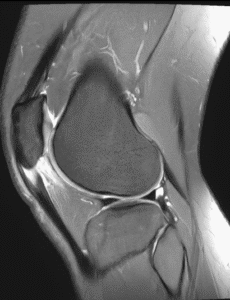
High-field 3T MRI adds an additional layer of certainty, detecting bone marrow oedema and small erosions that are invisible on ultrasound or plain X-ray — often years before they manifest as visible deformity.
The LSRI Approach to RA: Beyond the Blood Test
Many RA patients are managed almost exclusively by blood results and self-reported symptoms. At LSRI, we advocate for imaging-led review as a complement to rheumatology follow-up. Our reports are structured to be directly actionable for your rheumatology team, providing objective quantification of inflammatory burden to inform treatment thresholds.
Additional Evidence-Based Strategies
- Anti-inflammatory diet: Mediterranean-style eating patterns have demonstrated modest but meaningful reductions in systemic inflammatory markers in RA populations.
- Sleep prioritisation: Poor sleep dramatically amplifies pain perception and inflammatory signalling.
- Hand and wrist protection: Ergonomic adaptations and joint protection techniques reduce cumulative mechanical stress on frequently affected small joints.
- Targeted injection therapy: For persistent mono-articular flares resistant to systemic DMARDs, ultrasound-guided intra-articular steroid injections provide rapid, localised relief with minimal systemic exposure.
Take Control of Your RA Journey
Managing rheumatoid arthritis effectively requires a partnership between patient, rheumatologist, and imaging specialist. If you would like objective confirmation of your current inflammatory status, or if you require a specialist injection for a persistently flaring joint, contact our team at LSRI today.
Understanding What Drives Rheumatoid Arthritis Flares
Rheumatoid arthritis is not a static condition. Synovial inflammation waxes and wanes, and understanding what triggers your personal flare pattern is clinically valuable. Common triggers include physical overexertion, psychological stress, dietary imbalance, infection, and changes in medication. At LSRI, we use high-resolution power Doppler ultrasound to directly visualise synovial blood flow — an objective marker of inflammatory activity that correlates far more reliably with disease burden than subjective pain scores alone.
Monitoring RA With Precision Imaging
One of the most underused tools in RA management is serial musculoskeletal ultrasound. Unlike blood markers (CRP, ESR), which lag behind joint changes by weeks, ultrasound can detect active synovitis, joint effusion, and early erosions in real time. This enables your rheumatologist to adjust disease-modifying anti-rheumatic drugs (DMARDs) or biologic agents based on what is actually happening inside the joint — not simply how you feel on a given day.
High-field 3T MRI adds an additional layer of certainty, detecting bone marrow oedema and small erosions that are invisible on ultrasound or plain X-ray — often years before they manifest as visible deformity.
The LSRI Approach to RA: Beyond the Blood Test
Many RA patients are managed almost exclusively by blood results and self-reported symptoms. At LSRI, we advocate for imaging-led review as a complement to rheumatology follow-up. Our reports are structured to be directly actionable for your rheumatology team, providing objective quantification of inflammatory burden to inform treatment thresholds.
Additional Evidence-Based Strategies
- Anti-inflammatory diet: Mediterranean-style eating patterns have demonstrated modest but meaningful reductions in systemic inflammatory markers in RA populations.
- Sleep prioritisation: Poor sleep dramatically amplifies pain perception and inflammatory signalling.
- Hand and wrist protection: Ergonomic adaptations and joint protection techniques reduce cumulative mechanical stress on frequently affected small joints.
- Targeted injection therapy: For persistent mono-articular flares resistant to systemic DMARDs, ultrasound-guided intra-articular steroid injections provide rapid, localised relief with minimal systemic exposure.
Take Control of Your RA Journey
Managing rheumatoid arthritis effectively requires a partnership between patient, rheumatologist, and imaging specialist. If you would like objective confirmation of your current inflammatory status, or if you require a specialist injection for a persistently flaring joint, contact our team at LSRI today.

How to Handle Rheumatoid Arthritis Flare-ups
Experiencing rheumatoid arthritis flare-ups can be intensely painful and disruptive.
Early intervention is key when dealing with severe rheumatoid arthritis flare-ups.
Many patients struggle to manage their rheumatoid arthritis flare-ups alone.
Targeted treatments can significantly reduce the duration of rheumatoid arthritis flare-ups.
Consult your specialist immediately if your rheumatoid arthritis flare-ups worsen.
Tracking your triggers helps prevent future rheumatoid arthritis flare-ups.
Proper rest is crucial during active rheumatoid arthritis flare-ups.

About the Author: Dr Prashant Sankaye, Consultant Musculoskeletal specialist and Radiologist, MBBS, MS, FCPS, MRCS, CCBST, FRCR, PGCE(Med), FHEA, PGDip Sports and Exercise Medicine
Dr Prashant Sankaye is a highly respected Consultant MSK Radiologist and the Clinical Director of London Sports & Rheumatology Imaging (LSRI). With over a decade of sub-specialty experience, he is a recognized expert in advanced diagnostic imaging (Ultrasound & 3T MRI) and precision ultrasound-guided therapeutic injections. His authoritative approach ensures patients avoid surgery where possible and receive the highest standard of orthopaedic, rheumatological, and sports medicine care.