✍️ Written by: LSRI Editorial Team
🩺 Medically Reviewed by: Dr Prashant Sankaye, Consultant Musculoskeletal specialist and Radiologist, MBBS, MS, FCPS, MRCS, CCBST, FRCR, PGCE(Med), FHEA, PGDip Sports and Exercise Medicine
📅 Last Updated: March 30, 2026
⏱️ Read Time: 5 Minutes
When it comes to Gel Injections Knee Pain, an accurate diagnosis is the first and most critical step toward effective treatment. At LSRI London, we specialize in high-resolution imaging to ensure you receive the precise care your joints need.
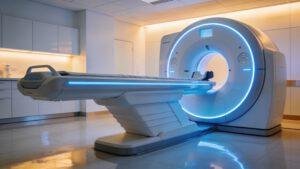
Choosing between gel injections vs knee surgery for cartilage loss is one of the most consequential decisions in orthopaedic care. At LSRI London, we use high-resolution 3T MRI to stage the severity of your cartilage damage before any treatment recommendation — ensuring you receive the most appropriate intervention, not simply the most aggressive one.
Choosing between gel injections vs knee surgery for cartilage loss is one of the most consequential decisions in orthopaedic care. At LSRI London, we use high-resolution 3T MRI to stage the severity of your cartilage damage before any treatment recommendation — ensuring you receive the most appropriate intervention, not simply the most aggressive one.
The degradation of articular cartilage in the knee is one of the leading causes of chronic pain and mobility loss worldwide. For years, the patient pathway felt distinctly binary: managing the pain with painkillers until the joint became so unbearable that complete surgical knee replacement was the only remaining option.
Today, the landscape has radically shifted. Modern interventional radiology offers a powerful middle-ground that can delay—or entirely prevent—the need for total joint replacement. The most prominent of these solutions are advanced gel injections.
Understanding Viscosupplementation (Gel Injections)
When the smooth cartilage that caps the ends of your knee bones wears away, the natural synovial fluid (the joint’s native lubricant) also breaks down, leading to harsh bone-on-bone friction. Gel injections aim to restore this mechanical harmony.
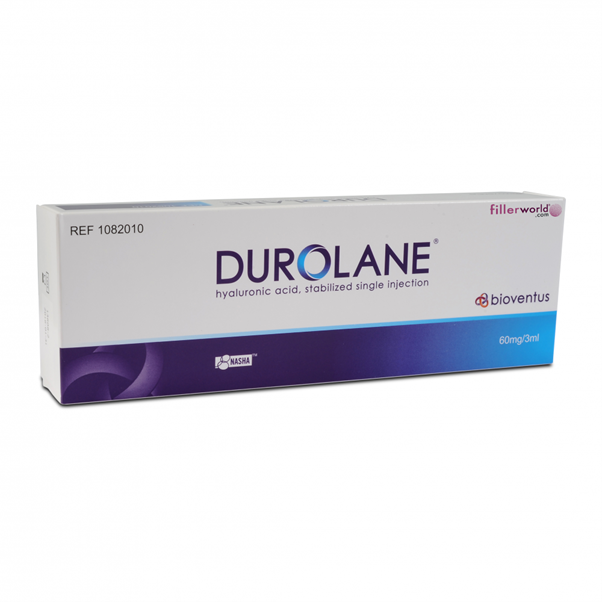
Therapies like high-molecular-weight Hyaluronic Acid (e.g., Durolane or Ostenil) act as synthetic lubricants and shock absorbers. When injected precisely into the capsule under ultrasound guidance by an expert like Dr Prashant Sankaye, these gels coat the remaining cartilage, immediately reducing friction and dampening the inflammatory cascade.
Newer hydrogel innovations like Arthrosamid® take this a step further. Instead of simply lubricating the joint temporarily, Arthrosamid integrates directly into the synovial lining, providing a non-biodegradable cushion that offers sustained pain relief potentially lasting years from a single injection.
Injection vs. Surgical Replacement
Invasive surgery like a total knee replacement or complex cartilage grafting comes with significant downtime, infection risks, and extensive rehabilitation protocols. While essential for end-stage mechanical joint failure, surgery is entirely heavy-handed for mild to moderate forms of cartilage loss.
Ultrasound-guided gel injections, conversely, are performed in an outpatient setting in under 30 minutes. The recovery time is minimal, allowing patients to resume normal walking almost immediately. Crucially, they buy the patient years of robust mechanical function.
At LSRI, we advocate for a highly personalised approach. Before recommending any injection, a baseline diagnostic MRI is utilised to grade the exact volume of cartilage loss. This ensures that when an injection is delivered, we know with clinical certainty that the joint architecture will respond favourably to the treatment payload.
Understanding Knee Cartilage Loss: The Spectrum of Severity
Knee pain arising from cartilage loss exists on a spectrum. Early-stage chondral softening (Grade I-II on the Outerbridge scale) may be entirely reversible with appropriate load management and viscosupplementation. Mid-stage focal chondral defects (Grade III) represent the zone where biological therapies are most impactful — preventing progression to end-stage disease. Full-thickness cartilage loss exposing subchondral bone (Grade IV) marks the territory where knee replacement becomes a more serious conversation.
Critically, this spectrum is invisible without imaging. A patient’s pain level does not reliably correlate with chondral grade, which is why a high-resolution 3T MRI is the essential first step before any injection or surgical decision is made.
Gel Injections: What the Evidence Actually Shows
Hyaluronic acid injections (colloquially called “gel injections”) have an established evidence base across multiple meta-analyses, though effect sizes vary significantly by patient selection and preparation quality. The key factors that predict a favourable response include:
- Mild-to-moderate cartilage loss (Outerbridge Grade I-III) confirmed on MRI
- Preserved joint space on weight-bearing X-ray
- Absence of acute inflammatory synovitis on ultrasound
- Body weight within a BMI that permits adequate force distribution across the remaining cartilage
When these criteria are met, hyaluronic acid injections — administered under ultrasound guidance to ensure intra-articular placement — can provide meaningful pain reduction and functional improvement lasting 6-12 months or longer.
Next-Generation Options Beyond Standard Hyaluronic Acid
For patients who have had adequate but short-lived responses to standard viscosupplementation, newer options offer extended duration:
- Arthrosamid (Polyacrylamide Hydrogel): Integrates directly into the synovial membrane rather than simply supplementing joint fluid. Clinical data demonstrates sustained pain reduction at 3-year follow-up — potentially making it a permanent, single-injection solution.
- PRP (Platelet-Rich Plasma): Provides biological signalling that may stimulate limited cartilage repair in addition to reducing inflammatory cytokines.
When Knee Replacement Becomes Appropriate
Total knee replacement remains one of the most successful operations in orthopaedic surgery — but it is best reserved for confirmed end-stage disease where all appropriate conservative and biological options have been exhausted. Imaging helps protect patients from both premature surgery and the inappropriate delay of surgery that should have been offered sooner.
Want to know where your knee sits on this spectrum? Book a specialist knee imaging assessment at LSRI.


About the Author: Dr Prashant Sankaye, Consultant Musculoskeletal specialist and Radiologist, MBBS, MS, FCPS, MRCS, CCBST, FRCR, PGCE(Med), FHEA, PGDip Sports and Exercise Medicine
Dr Prashant Sankaye is a highly respected Consultant MSK Radiologist and the Clinical Director of London Sports & Rheumatology Imaging (LSRI). With over a decade of sub-specialty experience, he is a recognized expert in advanced diagnostic imaging (Ultrasound & 3T MRI) and precision ultrasound-guided therapeutic injections. His authoritative approach ensures patients avoid surgery where possible and receive the highest standard of orthopaedic, rheumatological, and sports medicine care.